 Reviews

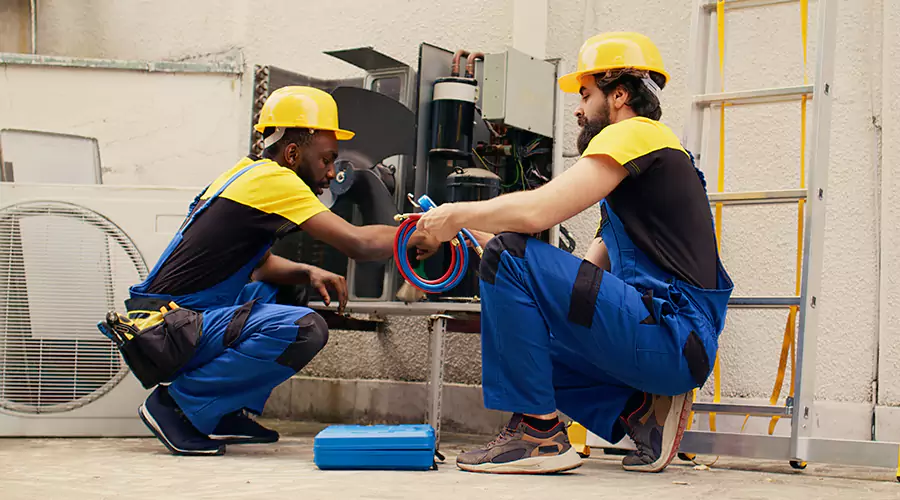
You should replace your HVAC system when repair costs keep rising or the unit no longer maintains comfort. A system older than 10 to 15 years often loses efficiency and breaks down more often. Frequent service calls signal deeper wear that repairs cannot fix. Rising energy bills also point to poor performance. Major component failure such as a compressor or heat exchanger usually makes replacement the smarter choice. Choose repair only when the system is newer and the issue is minor. Always compare repair cost with replacement value before making a final decision.
Why the Repair or Replace Decision Matters?
The choice between repair and replacement directly impacts comfort and safety and long term cost. The HVAC repair or replace decision should consider system condition and frequency of breakdowns.
A small repair may solve the issue if the system is newer and the problem is limited. Ongoing failures often signal deeper wear that repair cannot fix.
How This Decision Affects Cost and Comfort?
Frequent repairs increase total cost over time and reduce system reliability. A failing system often struggles to maintain consistent indoor temperature which affects daily comfort.
A qualified technician can inspect the unit and estimate remaining service life. This evaluation helps you decide if repair is still practical or if replacement offers better value.
Start With the Age of the System
System age is one of the most reliable indicators of performance and repair value. An old HVAC system may still operate but often loses efficiency and reliability over time.
Older units tend to consume more energy and produce more noise and struggle during extreme weather. Age should guide your decision before approving major repairs.
How System Age Impacts Performance and Cost?
The typical HVAC lifespan depends on maintenance and installation quality and climate and usage patterns. Most systems begin to decline between 10 and 15 years.
Repair costs often increase as components wear out and efficiency drops. Comparing repair cost with replacement value becomes essential as the system approaches the end of its service life.
Signs You Need a New HVAC System
Some problems are simple. Others show that the system may be close to failure.
Common signs you need new HVAC equipment include:
- Frequent service calls that keep returning each season.
- Rising utility bills without a clear reason.
- Uneven heating and cooling throughout the home.
- Weak airflow from vents in several rooms.
- Strange noises during startup or operation.
- Poor comfort even after thermostat adjustments.
- Expensive repair quotes on aging equipment.
One warning sign may not mean replacement is urgent. Several warning signs together should not be ignored.
Quick Repair vs Replacement Comparison
Use this table as a simple guide before making a decision.
| Factor | Repair May Make Sense | Replacement May Make Sense |
|---|---|---|
| System Age | Less than 10 years old | More than 10–15 years old |
| Repair History | First issue in years | Frequent HVAC repairs |
| Repair Cost | Low-cost part replacement | High HVAC repair cost |
| Comfort | Home still feels comfortable | Rooms stay too hot or too cold |
| Energy Use | Bills are stable | Bills keep increasing |
| System Condition | Unit is clean and well-maintained | Aging HVAC unit has major wear |
This table does not replace a professional inspection, but it can help you ask better questions.
Compare Repair Cost With Replacement Cost
Cost comparison helps you decide if repair still makes sense. A small fix is often reasonable when the system is in good condition.
The HVAC repair cost becomes harder to justify when the unit is near the end of its service life. High priced components such as compressors or blower motors often push the decision toward replacement.
How to Evaluate Short Term vs Long Term Cost?
Short term savings can lead to higher expenses if the system keeps failing. The HVAC system replacement cost is higher upfront but it can reduce future repairs and improve efficiency.
Always request a written estimate for both options. This approach lets you compare immediate cost with long term value before making a decision.
When Air Conditioner Replacement Makes Sense?
Cooling failure often signals that repair will not solve the core problem. An air conditioner replacement becomes the better option when performance drops and repair costs increase.
Systems that run constantly without reaching the set temperature often lack the capacity to meet demand. Replacement restores proper cooling and improves reliability.
Signs Your AC Unit Should Be Replaced
- AC runs all day but does not cool the home
- Refrigerant leaks continue after repair
- System freezes during normal operation
- Compressor failure or high repair cost
- Weak airflow in multiple rooms
- Frequent breakdowns during summer
- Indoor temperature stays uneven
- Energy bills increase without clear cause
When Furnace Replacement Makes Sense?
Heating system failure can create safety risks and comfort issues. A furnace replacement becomes necessary when the unit no longer operates reliably or repair costs continue to increase.
A failing furnace often struggles to deliver consistent heat and may show signs of internal wear. Replacement provides safer operation and more stable performance.
When Heating System Issues Become Serious?
Certain problems indicate that repair may no longer be safe or practical. Warning signs include weak heat or loud operation or ignition failure or unusual odors.
A damaged heat exchanger can pose serious safety risks and often requires full replacement. A newer furnace can improve temperature control and reduce energy use.
Should You Replace Heating and Cooling Together?
Replacing one system may solve the immediate problem but it may not address overall performance. A full heating and cooling replacement often makes sense when both units are near the end of their service life.
Matched systems work better together and support consistent airflow and temperature control. This approach can also prevent future compatibility issues.
When Replacing Both Systems Is the Better Option?
Replacing both units during one project can reduce labor time and installation disruption. This option is practical when the AC and furnace show similar signs of aging.
Older systems often fail close together which increases total cost if replaced separately. A contractor can inspect both units and confirm if combined replacement is the better choice.
Energy Efficiency Can Change the Answer
An energy efficient HVAC system can improve comfort while reducing wasted energy. Newer systems may offer better airflow, quieter operation, and more accurate temperature control. Efficiency should not be the only factor, but it matters when repair costs keep rising.
How Efficiency Impacts Operating Cost and Comfort?
Energy use often determines whether repair still makes sense. An inefficient system runs longer and increases monthly utility bills. Newer equipment uses updated technology to control temperature more accurately and reduce wasted energy. Improved efficiency can justify replacement when operating costs continue to rise
When Repair Is Still the Better Choice?
Replacement is not always necessary. A repair may be the right decision if the system is newer, well-maintained, and has a minor problem.
A repair may be enough for:
- A faulty thermostat.
- A clogged drain line.
- A dirty filter.
- A small electrical issue.
- A worn capacitor.
- A simple blower or sensor problem.
A broken HVAC system does not always mean you need a new one. The final decision should depend on the diagnosis and repair value.
Benefits of New HVAC Installation
A new HVAC installation can solve recurring comfort problems and reduce the stress of repeated breakdowns. It can also help if the old system was the wrong size for the home.
Proper sizing matters because oversized and undersized systems both create problems. A quality installer should check your home size, insulation, ductwork, airflow, and comfort needs before recommending equipment.
How New Systems Improve Comfort and Reliability?
A new system delivers consistent temperature control and reduces frequent breakdowns. Modern equipment runs more efficiently which lowers energy use over time.
Proper installation also corrects sizing issues that affect airflow and system performance. This leads to better comfort and longer equipment life.
Home Comfort and Long-Term Value?
A home HVAC replacement can make daily life more comfortable. It may also support resale value because buyers often check the age of heating and cooling equipment.
If your family constantly adjusts the thermostat, your system may not be keeping up. Replacement may provide better comfort if the current unit cannot maintain even temperatures.
Best Time to Replace HVAC Equipment
The best time to replace HVAC equipment is often before peak summer or winter demand. Spring and fall can be better because contractors may have more scheduling flexibility.
Waiting until the system completely fails can create pressure. Emergency replacement may leave you with fewer options and less time to compare estimates.
When an HVAC Upgrade Makes Sense?
Upgrades That Improve Performance and Comfort
An HVAC upgrade may be worth considering when your current system no longer meets your comfort goals. Upgrades may include a smart thermostat, better filtration, zoning, or higher efficiency equipment.
The right upgrade depends on your home and budget. A professional inspection can show which improvements offer the most value.
Final Thoughts
Repair may be enough when your system is newer and the issue is small. Replacement becomes the better choice when an aging unit needs frequent repairs, wastes energy, or fails to keep your home comfortable.
Before making a final decision, request a full inspection and written estimate. A licensed HVAC contractor can help you compare repair cost, replacement value, and long-term performance.